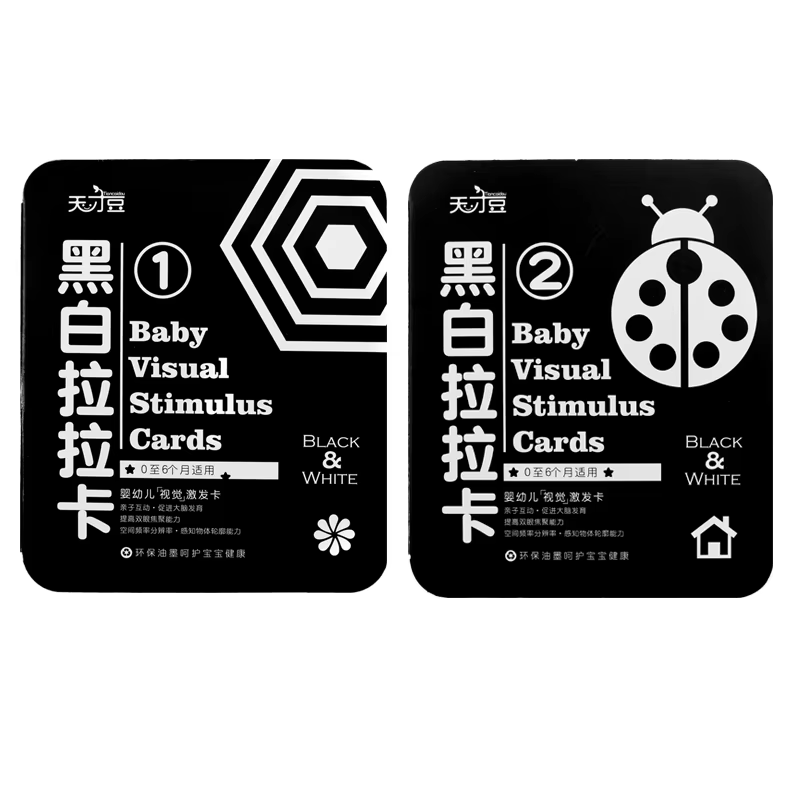
Promoting Active Learning and Critical Thinking Through the Card
Early education cards work really well for developing problem solving skills because they give kids scenario based tasks where they have to put events in order or figure out what causes what. Take those cards that ask "What happens next?" after showing part of a story. Kids get to guess what comes after based on what they already know, which is basically what critical thinking looks like in practice for young children following the EYFS guidelines. The best part? When kids are actively involved like this, studies indicate they remember concepts around 72 percent better than when just sitting there watching someone else do all the work according to some research published last year.
Encouraging Playing and Exploring with Guided Discovery Features
The best educational cards work by building questions step by step. They start simple, asking kids to find all the red things, then gradually move to more complex problems like figuring out which two items might help the bear in a story. This kind of progression lets children aged three to five experiment without fear of getting things wrong, something many great nurseries already do naturally. When it comes to open-ended toys, texture cards with pieces that can be swapped around really stand out. These materials help little ones develop their sense of space and shapes while playing on their own terms. Teachers often notice how these hands-on activities make a big difference in how kids think about shapes and sizes over time.
Stimulating Creativity and Reasoning Using Visual Prompts on the Card
Reasoning cards with colors and symbols such as clouds representing ideas and gears standing for solutions are helping little kids put their thoughts out there in a visible way. Some early research from last year looked at twelve nurseries throughout the United Kingdom and discovered something interesting these colorful visuals made preschoolers try telling stories creatively about 40 percent more often than when just reading words on paper. Teachers working with these materials notice another benefit too. Many say the cards help children talk about how feelings relate to what happens next when groups come together to discuss their day. One teacher mentioned seeing shy students start participating after using the card system for just a few weeks.
Real-World Impact: Tracking Sustained Shared Thinking in Outstanding Nursery Settings
In Ofsted-rated "Outstanding" settings, dual-purpose cards with tracking flaps allow practitioners to discreetly document collaborative problem-solving. One nursery reported a 35% improvement in sustained shared thinking metrics after implementing cards aligned with Development Matters checkpoints, demonstrating their practical value in capturing complex social learning.
Design Principles That Maximize the Card’s Effectiveness in Child Observation
Essential Design Traits: Clarity, Simplicity, and Developmental Alignment
Good observation cards have simple layouts, use high contrast text, include easy to understand symbols, and keep the wording to a minimum. This design helps teachers and other professionals get through the information about 40 percent quicker, as shown in research published last year by the Journal of Educational Psychology. When it comes to developmental stages, there's a big difference between what works for different ages. Toddlers respond better when they see actual objects as prompts, whereas kids going into preschool tend to grasp things when presented with more abstract situations or stories. A recent survey looked at over 120 daycares nationwide and found that assessments were around 32% more accurate when the tools matched specific developmental milestones for each child's age group. This makes sense because children learn and react differently depending on where they are in their growth journey.
Enabling Real-Time, Non-Intrusive Observation During Child-Led Play
The portable format of observation cards allows educators to record emerging skills without interrupting play. Time-motion analyses show teachers recover 18 minutes daily by avoiding constant switching between digital apps and handwritten notes. Discrete color-coding helps capture fleeting developmental moments—such as peer interactions or language breakthroughs—in real time.
Balancing Standardization and Flexibility in Observational Tools
High-performing cards combine structured CoEL indicators with open-ended sections for personalized insights. A 2023 trial involving 75 early years settings found this hybrid model increased actionable data by 30%. It ensures compliance with Ofsted requirements while supporting tailored observation for multilingual and neurodiverse learners.
Integrating the Card Into Daily Practice to Support Early Years Practitioners
Using the Card for Planning, Reflection, and Individualized Learning Journeys
Practitioners use observation cards to document play-based interactions, creating a reliable foundation for weekly planning. Structured cards help identify milestones and track individual interests, enabling responsive, child-centered learning paths. According to the Early Years Outcomes Study (2023), 83% of nurseries using these tools spend 30% less time preparing individualized activities.
Enhancing Team Communication During Handovers and Staff Meetings
Standardized cards streamline communication across shifts. Color-coded symbols allow staff to quickly grasp key developments—such as mastering pencil grip or engaging in cooperative play. A 2022 trial across 12 nurseries showed such tools reduced miscommunication during handovers by 41%.
Saving Time During Assessment Cycles Without Compromising Quality
By replacing scattered sticky notes and fragmented digital forms, observation cards consolidate evidence collection for EYFS assessments. Educators save up to 18 minutes per day on paperwork (Nursery Management Journal, 2023), freeing time for direct child engagement. Real-time updates ensure evaluations reflect authentic competencies rather than retrospective recall.
Why Quick-Reference Cards Outperform Digital Tools in Early Years Settings
Applying Cognitive Load Theory: How the Card Reduces Mental Overhead
Quick reference cards work really well with how our brains process information because they give us what we need fast enough to catch without slowing down. Think about it this way: digital systems often force users through login screens and complicated menus before getting anywhere useful. Good old fashioned cards cut out all that extra stuff. A study found teachers doing observation checks were able to finish them about 18 percent quicker while still hitting nearly 92% accuracy when working with paper based tools instead of electronic ones. That means educators can actually spend more mental bandwidth watching kids learn rather than fighting with technology. The findings appeared in Early Childhood Research Quarterly back in 2024.
Tactile Advantage: Why Printable Cards Work Better Than Apps in Nurseries
Physical cards enhance memory retention by 30% due to tactile engagement, helping educators form spatial associations between observed behaviors and developmental milestones. In contrast, screen-based tools often disrupt focus with notifications or accidental locks. Studies indicate 68% of nursery staff experience fewer interruptions when using printed cards during child-led activities.
Bridging Tradition and Innovation: The Role of Physical Cards in Tech-Forward Classrooms
According to Ofsted's 2023 report, about 89% of top rated early years settings now rely on digital portfolios to keep parents informed. But even in these tech savvy environments, quick reference cards still play an important role as physical reminders. When teachers combine traditional printed observation tools with their digital reporting systems, it actually helps reduce stress when there are unexpected tech problems. These printed materials also come in handy during software updates that might disrupt normal operations. Plus they create opportunities for better team discussions about children's progress. Most importantly, this mix of old and new methods maintains that personal touch which is so crucial in working with young children.
FAQ
What are early education cards?
Early education cards are tools designed to help young children develop problem-solving skills, critical thinking, and creativity by presenting scenario-based tasks and visual prompts.
How do observation cards benefit educators?
Observation cards enable educators to document play-based interactions, track developmental stages, and enhance team communication, all while saving time and reducing miscommunications during assessments and handovers.
Why are physical cards considered more effective than digital tools in nurseries?
Physical cards reduce mental load, improve memory retention due to tactile engagement, and allow for seamless integration even in tech-forward classrooms, without the interruptions often associated with digital tools.
Table of Contents
- Promoting Active Learning and Critical Thinking Through the Card
- Encouraging Playing and Exploring with Guided Discovery Features
- Stimulating Creativity and Reasoning Using Visual Prompts on the Card
- Real-World Impact: Tracking Sustained Shared Thinking in Outstanding Nursery Settings
- Design Principles That Maximize the Card’s Effectiveness in Child Observation
- Integrating the Card Into Daily Practice to Support Early Years Practitioners
- Why Quick-Reference Cards Outperform Digital Tools in Early Years Settings
- FAQ