
How Books Support Early Language and Cognitive Development
Building vocabulary and language skills through rich, age-appropriate book content
Reading children's books gives little ones access to about half again as many different words compared to regular chats, which really helps build those early language skills. Good picture books for their age teach kids actual things they can touch or see, like "apple" alongside actions such as "jump," all wrapped up in stories that make sense to them. Toddlers start linking these words with what happens around them because it's presented naturally within the narrative. Books with repeating lines work wonders too. Think of classics like "Brown bear, brown bear, what do you see?" These kinds of repetitive phrases stick in memory better while keeping kids interested through familiar patterns they look forward to hearing again and again.
The role of rhythm, rhyme, and repetition in phonological awareness
Rhythmic books like Dr. Seuss's Hop on Pop do wonders for helping kids pick out syllables and notice sound patterns, which are really important for getting ready to read. When little ones bounce along to nursery rhymes, they actually develop their ability to hear different sounds in words about threefold compared to just reading regular stories. These rhymes focus on those repeating word groups we all know so well - think cat, hat, mat - making it easier for children to spot connections between letters and sounds. The brain starts making these associations early on, laying down a solid foundation that makes actual reading much smoother later in school.
Why physical books enhance focus and language input compared to screens
Print books promote longer attention spans, with tactile page-turning leading to 28% more sustained focus than digital reading (Journal of Early Literacy, 2022). Without screen distractions like pop-ups or autoplay features, physical books encourage richer parent-child dialogue, deepening language input during shared reading.
Cognitive benefits: How predictable text strengthens memory and prediction
Predictable stories like If You Give a Mouse a Cookie activate memory networks as children anticipate recurring phrases. This mental rehearsal strengthens neural pathways linked to information retention and logical sequencing—essential skills for problem-solving and narrative comprehension.
Essential Features of High-Quality Children's Books for Learning
Simple, repetitive text that scaffolds early reading success
Children between one and three years old really benefit from books with repetitive and rhythmic text when it comes to developing early reading skills. Studies indicate that stories with repeated patterns can boost vocabulary retention by around 38 percent over stories without such repetition according to research published by NAEYC back in 2021. Take classics like "Brown Bear, Brown Bear, what do you see?" for instance. These kinds of phrases actually help little ones recognize words and understand basic sentence structures. Toddlers start to anticipate what comes next in the story, which builds their confidence when sitting down for story time with parents or caregivers. The predictability creates a sense of security that makes learning feel less intimidating for young readers just starting out on their literacy journey.
Illustrations that support comprehension and word recognition
Clear, high-contrast illustrations paired with text help young readers link images to meaning. For example, showing a frog mid-leap alongside the word “jump” strengthens understanding more effectively than text alone. Studies show children recall 72% more vocabulary when stories combine detailed visuals with labeled text (Early Literacy Consortium, 2023).
Interactive elements like flaps and textures for multisensory engagement
Tactile books with crinkly pages, flaps to lift, or different textures actually get kids using more than one sense at once. Studies show children spend about 60-65% longer playing with these interactive books compared to regular ones. The physical elements do more than just keep attention though. They help build those small hand movements needed for writing later on. Kids learn better when they can feel what they're reading about too. A rough patch on the page might represent sandy beaches in a story, making the experience more memorable. Developmental experts have been talking about this for years now. When kids engage multiple senses while learning, it sticks with them regardless of how they normally take in information.
Choosing the Right Book for Each Stage: From Infancy to Preschool
Board Books for Infants (0–12 Months): Durability and Sensory Exploration
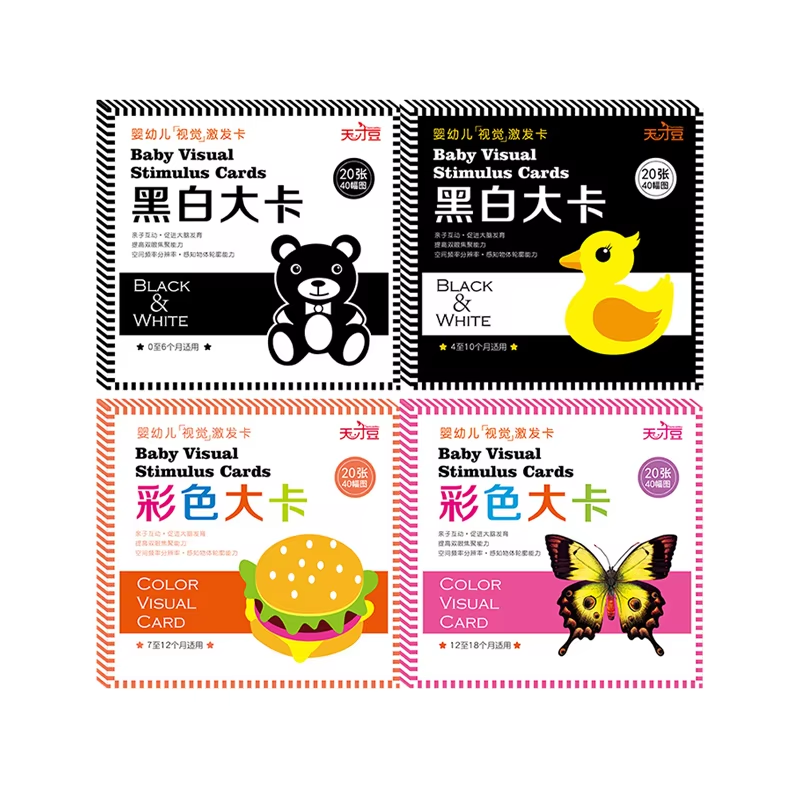
Infant board books are built tough with thick pages that can handle chewing (about a third of an inch thick) and materials strong enough to survive little hands grabbing and gnawing. The high contrast between black and white helps babies see better as their eyes develop, and many books have fun textures too - think fake fur patches or bumpy spots that let tiny fingers explore through touch. Research from last year showed something interesting: babies who read these tactile books tended to babble and make sounds 40% more often during story time compared to when they looked at regular picture books. Makes sense really, since touching and feeling seems to spark more interaction.
Picture Books With Repetition for Language Expansion in 1–2 Year Olds
Little kids really get a lot out of picture books where the language repeats itself predictably. Take Brown Bear, Brown Bear, What Do You See? for example this one actually boosted word retention rates by around 58% according to research published in Language Development Quarterly back in 2022. When picking books for toddlers, look for ones that combine straightforward phrases that repeat throughout with vibrant illustrations that stand out against simple backgrounds. The fewer distractions on each page, the better the child can concentrate on both the words and pictures at the same time, which helps them understand what's going on in the story.
Predictable Storybooks That Build Narrative Understanding for 2–3 Year Olds
Around two years old, kids start grasping how stories unfold, which is why books with repeating patterns work so well for their developing minds. Take "If You Give a Mouse a Cookie" for instance – it's basically a loop of events where each action leads naturally to the next, helping little ones build those important logic skills. Some studies have found that toddlers who get read these kinds of books consistently tend to perform better when it comes to recognizing patterns later on. One particular study from the Early Childhood Education Journal back in 2023 noted a pretty significant jump in test scores among preschoolers exposed to such structured storytelling, something like 27% improvement in pattern recognition abilities compared to peers who didn't read similar books as much.
Top Book Recommendations Aligned With Developmental Milestones
| Age Range | Book Type | Key Feature | Skill Developed |
|---|---|---|---|
| 0–12 months | Cloth & Board Books | Crinkle pages, mirror inserts | Sensory integration |
| 1–2 years | Rhyming Picture Books | Anticipatory phrases (e.g., "Chicka Chicka Boom Boom") | Phonemic awareness |
| 2–3 years | Cumulative Tales | Repeating story additions ("The Napping House") | Memory retention |
Select books endorsed by early education associations, which typically ensure durable construction, non-toxic materials, and content reflecting familiar daily routines like bedtime or mealtimes.
Maximizing Learning Through Active and Purposeful Reading Routines
Turning Reading Time into a Language-Rich Experience With Expressive Reading
When parents read aloud with lots of expression, kids tend to pick up words much faster. Think about varying voice tones, adding rhythm to sentences, and pausing at just the right moments for effect. Recent research from Stanford back in 2023 showed something interesting - children actually learn around 39 percent more vocabulary when stories come alive through expressive reading. Pointing at pictures while discussing words like 'big', 'soft', or 'quick' helps reinforce these terms too. The visual connection makes it easier for little minds to grasp abstract concepts and remember them longer. Many experienced readers find this approach works wonders in building language skills over time.
Encouraging Interaction: Asking Questions and Prompting Participation
Instead of just sitting there listening passively, parents can turn reading time into real learning moments by stopping occasionally after a couple of pages and throwing out some open ended questions. Kids love hearing things like What might happen next in the story? or Can you guess how the little bear is feeling right now? According to research published in the Journal of Early Literacy back in 2022, this simple technique actually boosts how well preschoolers understand stories by around half again. When working with toddlers who are even younger, get them involved physically too. Let them flip those colorful pages themselves, make all those animal noises together, or run fingers over the pictures while talking about what they see. These hands on activities really help little ones stay engaged longer during story time.
Connecting Stories to Real-Life Experiences for Deeper Understanding
Connecting stories to what kids already know makes all the difference. When we finish a tale set at a playground, it's great to point out things they recognize from their own lives. Something like, Remember when you went up that big slide last weekend? Just like the little girl in our story! Getting creative together helps too. Pretend baking with play dough after reading about mice making treats brings books into reality for children. These kinds of activities bridge the gap between made-up adventures and actual experiences in ways that stick with young minds.
Using Repetition to Reinforce Vocabulary, Fluency, and Recall
Re-reading favorite books weekly enhances learning through spaced repetition. Focus on different aspects each time:
- First read: Introduce key vocabulary
- Second read: Ask predictive questions
- Third read: Invite fill-in-the-blank responses (“And the little duck said?”)
This method improves word retention by 74% in early readers (Early Childhood Research Quarterly, 2021), supporting fluency and long-term recall.
FAQ
Why are repetitive books important for early reading?
Repetitive books help children anticipate and recognize patterns, aiding memory retention and building confidence in their reading abilities.
How do picture books enhance language skills?
Picture books use rich, age-appropriate content with visuals that link words to meaning, enhancing comprehension and vocabulary.
What is the role of interactive books in child development?
Interactive books engage multiple senses, encouraging longer attention spans and improving motor skills essential for writing.
How can expressive reading benefit children?
Expressive reading increases vocabulary retention by making stories engaging and memorable, enhancing language learning.
Why should book choices reflect developmental milestones?
Books that align with developmental milestones provide appropriate challenges and support for each stage of a child's growth, boosting learning outcomes.