Бумажное творчество остаётся одним из самых доступных и значимых видов творческой деятельности для людей всех возрастов: оно сочетает простоту используемых материалов с безграничными возможностями для воображения. Особую привлекательность бумажного творчества определяет не только красота и осязаемость получаемых изделий, но и весь процесс превращения обычного листа бумаги в уникальный объект — будь то изящная оригами-фигурка, яркая бумажная коллажная композиция или увлекательная трёхмерная головоломка для детей. Этот вечный вид ремесла преодолевает культурные границы, даря радость, знания и чувство единения каждому, кто берёт в руки ножницы, клей-карандаш и лист бумаги, чтобы создать что-то своё.
Всеобщая привлекательность бумажного творчества
По своей сути бумажное творчество изначально ориентировано на вовлечение всех желающих. В отличие от других творческих увлечений, требующих дорогостоящих материалов или специальных навыков, для него нужны лишь базовые компоненты — бумага различных цветов и текстур, безопасные инструменты для резки и клей, — которые легко найти и доступны по цене как для семей, так и для педагогов и любителей рукоделия. Для детей бумажные поделки становятся первым шагом к творческой игре: простое складывание и вырезание превращаются в увлекательную игру, пробуждающую любопытство. Для взрослых это — осознанное убежище от суеты повседневной жизни, возможность замедлиться и сосредоточиться на тактильном удовольствии от формирования бумаги собственными руками. В разных культурах бумажное творчество также имеет глубокое культурное значение: от традиционной вырезки бумаги в азиатских культурах до бумажных фонариков на праздниках и бумажных цветов для торжеств на Западе — оно вплетает творчество в повседневную жизнь и особые моменты.
Бумажное творчество как инструмент обучения и развития
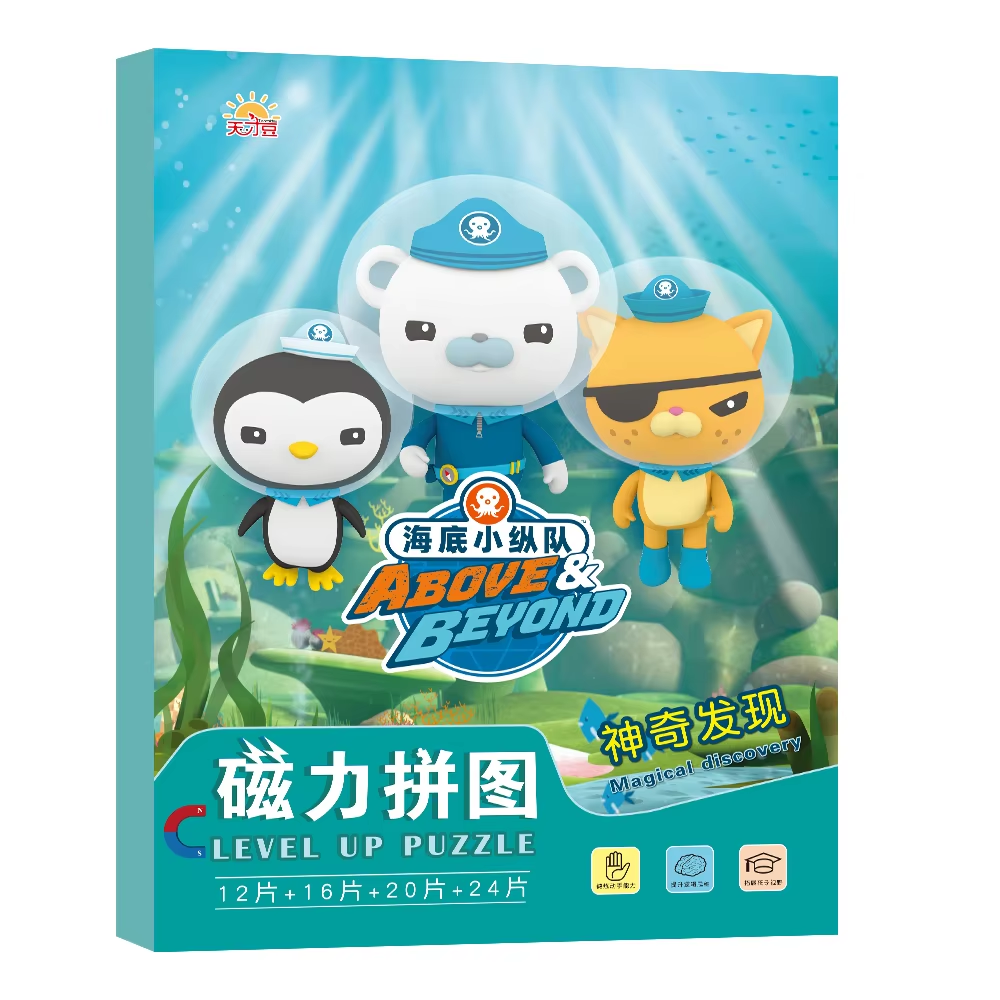
Помимо чистого удовольствия, бумагопластика является мощным образовательным инструментом, особенно для юных учащихся. Каждое складывание, вырезание и приклеивание развивает мелкую моторику и координацию глаз и рук, формируя базовую ловкость, необходимую для письма, рисования и других повседневных задач. Когда дети создают собственные поделки из бумаги или собирают бумажные головоломки, они тренируют пространственное мышление и навыки решения проблем: понимание того, как сложить лист в трёхмерную фигуру или как правильно собрать головоломку, учит их визуализировать закономерности и логически мыслить. Бумагопластика также способствует эмоциональному развитию: завершение поделки из бумаги даёт детям ощущение достижения и укрепляет их самооценку, а исправление «ошибки» — например, кривой бумажной лодочки или неправильно расположенных элементов коллажа — учит устойчивости и творческому решению задач. Для педагогов бумажные поделки — это универсальная классная деятельность, объединяющая искусство с предметами STEM, языковыми дисциплинами и культурологией, делая обучение интерактивным и увлекательным.
Развитие креативности и укрепление связей через бумажное творчество
Бумажное творчество — это чистый холст для проявления креативности, вдохновляющий людей выйти за рамки жёстких правил и мыслить нестандартно. Один лист бумаги может превратиться в ракету, цветок, закладку или элемент настенного декора — «правильного» способа творить не существует, есть лишь личное самовыражение. Эта свобода экспериментировать стимулирует воображение, особенно у детей, которые учатся воплощать свои идеи в физическую форму с помощью бумаги. Более того, бумажное творчество объединяет людей. Семейные вечера творчества, когда родители и дети вместе изготавливают бумажные украшения к праздникам или собирают бумажные головоломки бок о бок, создают бесценные моменты совместного времяпрепровождения. Мастер-классы по бумажному творчеству в сообществах превращают незнакомцев в друзей: участники делятся советами, идеями и историями в процессе создания поделок. В мире, где часто доминируют цифровые экраны, бумажное творчество предлагает осязаемый, практический способ установить контакт с другими людьми и с собственной креативностью.
Радость создания собственных поделок из бумаги заключается в их простоте и глубине. Это ремесло растёт вместе с вами — от первого бумажного самолётика, который складывает ребёнок, до сложных бумажных композиций, которые осваивает взрослый, — и никогда не теряет своей магии. Каждое изделие из бумаги отражает воображение его создателя, а каждая минута, проведённая за творчеством, — это минута радости, обучения и связи. В одном листе бумаги мы находим бесконечные возможности, а в работе с бумагой — частичку счастья в каждом сгибе и разрезе.