Designing safe custom paper products is a cornerstone of creating reliable, user-centric paper goods—especially for children’s educational toys, early learning materials, and everyday paper crafts. As custom paper products grow in demand for their personalization and versatility, safety must remain the core of every design choice, from material selection to structural engineering and production practices. Whether crafting custom puzzles, cognitive cards, pop-up books, or paper packaging for kids’ products, prioritizing safety ensures compliance with global standards, protects end-users, and builds long-term trust with customers. This guide outlines the essential, research-backed steps to design safe custom paper products that balance creativity, functionality, and peace of mind for all users.
Source Eco-Friendly, Non-Toxic Raw Materials
The foundation of safe custom paper products lies in choosing high-quality, non-toxic paper stock and printing materials, a critical consideration for children’s educational paper goods that see frequent hands-on use. Opt for FSC-certified, eco-friendly paperboard that is thick, durable, and free from harmful chemicals like heavy metals, formaldehyde, and chlorine. For all printed custom paper products—including puzzle graphics, cognitive card illustrations, and book designs—use water-based or soy-based inks exclusively; these inks are odorless, non-toxic, and avoid the volatile organic compounds (VOCs) found in solvent-based inks that pose health risks with prolonged contact. Adhesives and laminates used in layered custom paper products (such as 3D puzzles or pop-up books) must also be food-grade and child-safe, with no loose or flaking components that could be ingested. Reject low-quality recycled paper with unknown sourcing, as it may contain residual contaminants that compromise safety for young users.
Engineer Child-Safe Structural Design
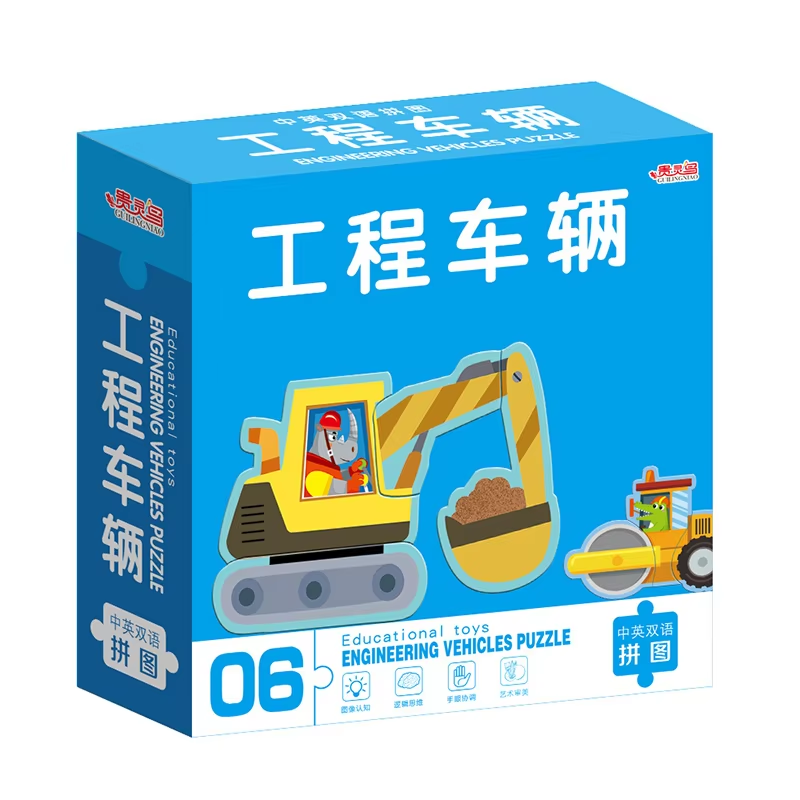
Structural safety is non-negotiable when designing custom paper products, particularly for the 0–8 age group that interacts with educational puzzles, cards, and paper toys daily. Eliminate all potential hazards by refining design details to match the motor skills and cognitive abilities of the target audience. For custom paper puzzles, avoid small detachable pieces that present a choking risk; ensure all puzzle parts are sized appropriately for little hands, with rounded edges and smooth surfaces to prevent paper cuts. Cognitive cards and board game cards should be made with thick, tear-resistant paper stock and reinforced edges to avoid fraying or breaking into small fragments. For 3D custom paper products like pop-up books or layered crafts, use sturdy folding mechanisms that do not pinch fingers and avoid sharp creases or rigid paper that can cause injury. Every structural element—from the size of a puzzle piece to the fold of a card—should be tested for hands-on safety, with no rough edges or loose parts left unaddressed.
Align with Global Safety Standards and Age-Appropriate Guidelines
Safe custom paper product design requires strict adherence to international safety regulations and age-appropriate design guidelines, ensuring compliance across global markets. For children’s paper products, follow standards such as the US CPSIA (Consumer Product Safety Improvement Act), EU EN 71, and other regional certifications that limit heavy metal content, ban toxic materials, and define safety criteria for tactile play goods. Label all custom paper products with clear age recommendations (e.g., 3+, 8+) based on their design and components, and conduct third-party safety testing to verify compliance—including tests for choking hazards, physical durability, and chemical safety. For educational custom paper products like cognitive cards and learning puzzles, additional testing for print durability ensures inks do not smudge or transfer to hands, preventing accidental ingestion of ink particles. Regularly update design practices to reflect new safety standards, as regulatory requirements for children’s products evolve to meet emerging health and safety research.
Prioritize Durability to Prevent Long-Term Safety Risks
Durability is a key component of safety for custom paper products, as worn, damaged paper goods create avoidable hazards for users. Design custom paper products with heavy-duty paper stock and reinforced construction to withstand repeated use—critical for children’s puzzles, cards, and toys that are handled, stacked, and played with daily. A durable custom paper puzzle will not tear into small pieces after repeated assembly, while a sturdy cognitive card set will not fray at the edges with regular use. Prioritize quality in production processes, such as precise cutting and secure lamination, to ensure custom paper products maintain their structural integrity over time. By designing for durability, you reduce the risk of broken or fragmented paper components that can lead to choking, paper cuts, or other injuries, while also creating longer-lasting products that offer better value for customers.
Designing safe custom paper products is a holistic process that weaves safety into every stage—from material sourcing to final production. For children’s educational paper goods, this work is even more vital, as safe design fosters a secure play and learning environment for young users. By following eco-friendly material practices, child-centric structural design, global safety standards, and durability-focused engineering, you can create custom paper products that are not only creative and personalized but also safe, reliable, and beloved by families worldwide.