
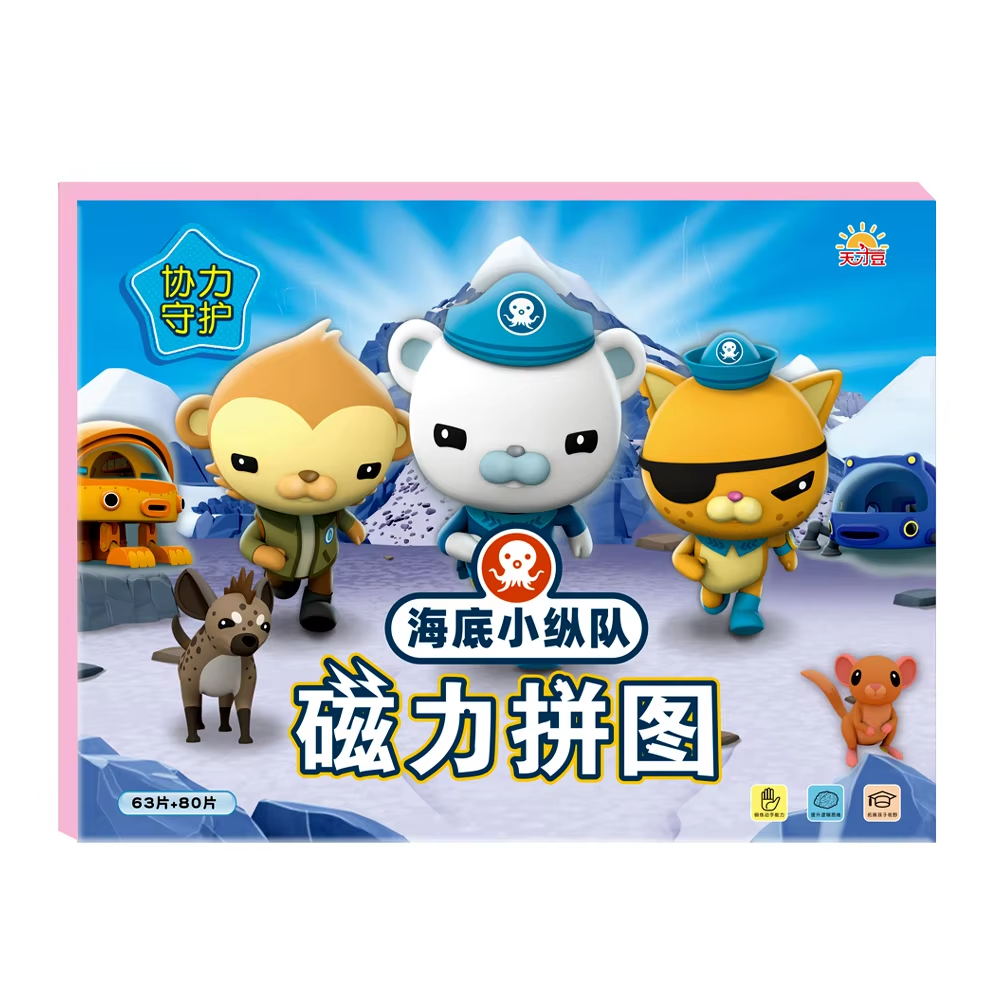
Cognitive and Developmental Benefits of Magnetic Puzzles
Enhancing Problem-Solving Abilities
Magnetic puzzles make great toys that help kids get better at solving problems. Kids working on these puzzles need to think through where each piece goes, figuring out shapes and sizes until everything clicks into place. Research indicates that regular puzzle time helps develop spatial awareness, something really important for logical thinking. The ability to see how things fit together matters a lot since it teaches little ones to picture objects in their mind and move them around mentally. Magnetic puzzles let children try all sorts of arrangements too, sparking imagination as they experiment with new designs. Experts who study how kids grow say that time spent with these kinds of puzzles does more than just spark creativity. It actually helps prepare young minds for math and science challenges down the road.
Developing Fine Motor Coordination
Magnetic puzzles help kids develop those important fine motor skills we all take for granted. When little hands work on fitting those tiny pieces together, they're actually building strength in finger muscles and improving hand control. Studies show that these kinds of activities where eyes and hands need to work together really boost dexterity and accuracy over time. Why does this matter so much? Well, strong fine motor skills translate directly into better handwriting and everyday tasks like buttoning shirts or tying shoelaces down the road. Many educators recommend adding puzzles to preschool programs because they teach something called multitasking without even realizing it. Watch a child try to fit a piece into just the right spot while keeping track of where other pieces go too. That kind of brain exercise helps build those coordination skills that become so valuable later on.
Choosing the Right Magnetic Puzzle by Age Group
Chunkier Pieces for Younger Children
For little ones just starting out with magnetic puzzles, bigger pieces really make a difference. The chunky design makes them much easier for small hands to grab and move around, which cuts down on frustration when putting everything together. Kids actually finish their puzzles more often this way! Plus, many of these toddler-friendly puzzles come in bright colors and interesting textures that catch attention and help develop senses. Most early childhood educators suggest looking for sets with different shapes and sizes too. This variety helps babies learn how things fit together while exploring new patterns. Safety matters most though. Parents should always check if the puzzle is meant for their child's age group because tiny parts can be dangerous if swallowed. Following manufacturer safety tips keeps everyone happy during playtime without any worries about accidents.
Multi-Layer Challenges for Advanced Learners
Older kids really get into those fancy magnetic puzzles with multiple layers of challenge built right in. What makes them so good is that they push kids to think deeply and figure things out on their own, keeping them occupied for hours at a time. When these puzzles have several levels to solve, kids often end up working together, talking through different parts of the puzzle as they try to crack tough designs. Teachers know how important it is to give kids gradually harder tasks if we want to maintain their interest and motivation while they learn. These kinds of puzzles actually help smart kids grow their brains because they're constantly faced with new problems to solve, which builds mental muscles that regular toys just don't develop.
Safety Standards in Magnetic Puzzle Manufacturing
Childproof Magnetic Enclosure Systems
More and more toy makers are turning to those special magnetic enclosures for their puzzles to keep kids safe. The whole point of these systems is stopping tiny pieces from coming loose, something that can really cut down on choking dangers when we're talking about little ones playing with toys. Getting certified under rules like CPSIA here in America matters a lot if companies want their products to pass basic safety checks. Most good manufacturers run regular tests not just on how long the puzzle holds up but also whether any materials might be harmful to children. Parents tend to notice the difference too. When they see those safety stickers and read through what makes a puzzle compliant, they generally feel better knowing their kids aren't facing unnecessary risks while playing around with magnets.
Non-Toxic Material Certifications
Non toxic materials in children's puzzles matter a lot when it comes to keeping kids away from bad chemicals. Little ones tend to put things in their mouths after all, so getting toys that have passed proper safety tests really counts. Organizations like ASTM International give out certifications that basically say "this puzzle won't hurt your kid." Some studies show that good quality materials do double duty making toys both safer and cutting down on those health worries we hear about with cheaper toys. Companies need to keep checking their stuff regularly through audits and inspections if they want to stay compliant with safety rules. This kind of careful approach builds trust among parents who want magnetic puzzles that actually work for their kids without causing problems later on.
Durable Design Features for Extended Play
Reinforced Edges and Corners
Adding strong edges and corners to magnetic puzzles makes them much tougher overall, so they hold up better during regular play. Kids usually handle their toys pretty roughly, especially when building things repeatedly throughout the day. The extra reinforcement helps reduce damage from constant manipulation, meaning the puzzle stays intact longer than cheaper alternatives. Some parents report that quality puzzles made this way still work fine after three or four years of heavy use, which represents good spending for families. Brands that focus on creating long-lasting products generally get higher marks from customers concerned about how long items will last. Satisfied buyers then spread the word about reliable brands through conversations at school drop-offs or online reviews, helping those companies grow steadily over time.
Fade-Resistant Color Retention
Colors that don't fade matter a lot when it comes to keeping magnetic puzzles looking good, so kids stay interested in playing with them for longer periods. Bright colors really grab attention and keep little hands busy, which means kids tend to play with these puzzles much longer than ones that start to look dull after a while. We've noticed that families who buy puzzles made with better color holding tech usually end up buying more puzzles later on because the first ones still look great months down the road. Most parents will tell you to go for puzzles built with materials that resist fading if they want their kids to actually enjoy playing with them again and again without complaining about how worn out they look after just a few weeks of regular use.